Branding and visual identity
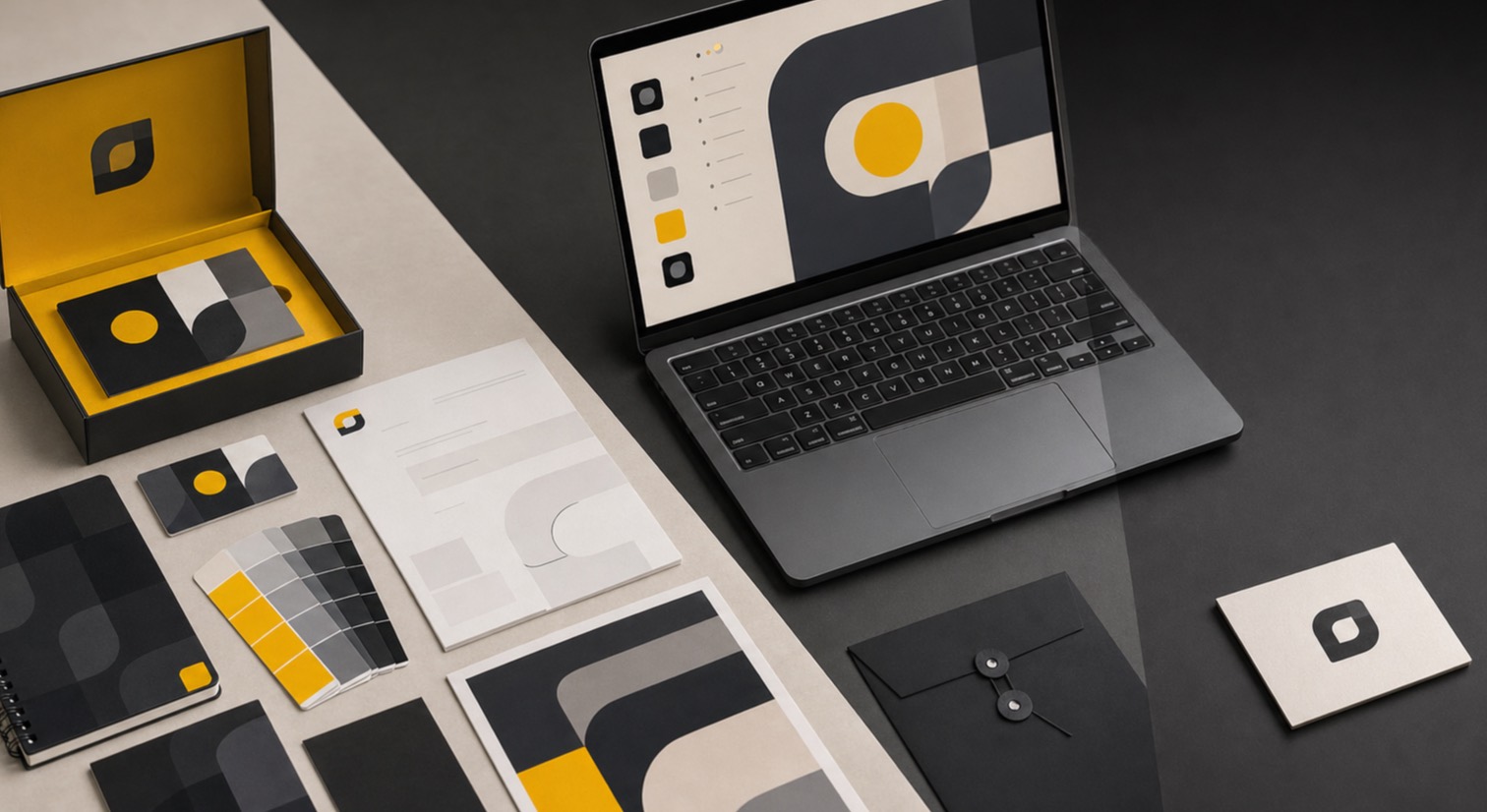
We create brands with strategic criteria: logo, visual system, palette, fonts, tone and aesthetic direction so that your business stops seeming interchangeable.
We design logo and visual identity, premium web pages, custom web development, technical SEO and CRO so that your proposal is understood in seconds and converts from the first click. We create visual identities, premium websites, bespoke web experiences, technical SEO and CRO. No bloated templates: a digital foundation that makes your offer clear in seconds and ready to convert from the first click.
Request a quote





+12 years creating digital projects for ecommerce, SaaS, local businesses and bespoke platforms.
The problem is not having an old website
Many companies do not need “another website”. They need a digital base that organizes their offer, elevates their brand perception and converts visits into real business opportunities.
A website can look correct on the outside and be broken on the inside: design without strategy, pages without SEO intention, forms that do not generate trust, code that is difficult to maintain and processes where no one knows exactly what is being paid for.


You end up adapting your business to a generic structure that does not respond to your client, your proposal or your business process.
A premium website is not a visual gallery. It is a sequence designed to explain, convince and guide the user towards an action.
When a website depends on too many patches, each change becomes slow, fragile and expensive.
Serious SEO is not added later. It is decided from the architecture, the URLs, the titles, the content and the search intention.
Design, technology and conversion under the same direction
A digital project works when brand, experience, content, SEO and development respond to the same strategy. That's why we don't start with colors, plugins or trends. We start by understanding what you sell, to whom You sell it to them and what needs to happen for that person to trust you.
First we order your offer, your ideal client, your objections and your conversion objectives.
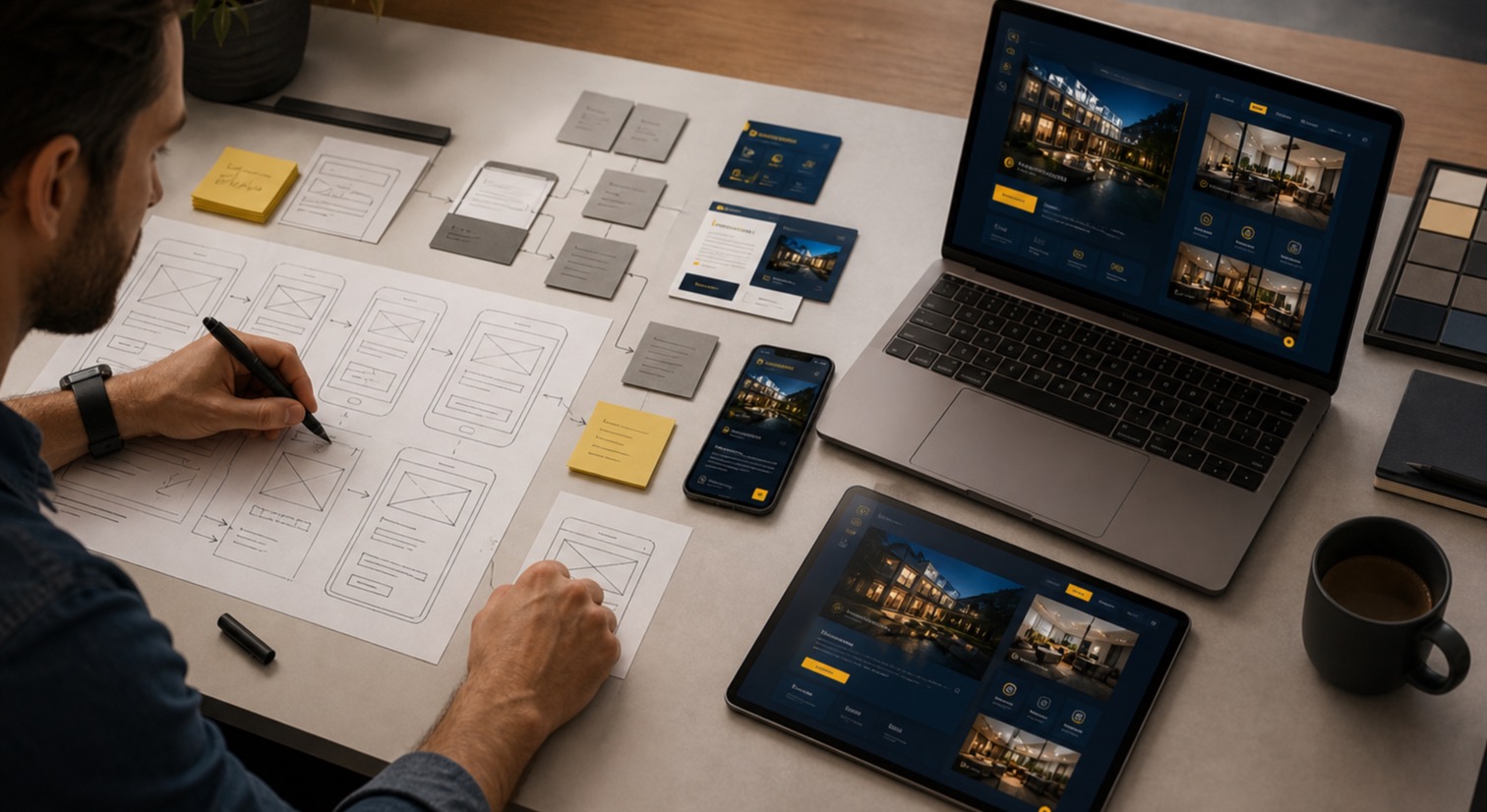
We design interfaces in Figma so that each block has intent, hierarchy and function.
We develop with maintainable architecture, performance and scalability.
Each URL responds to a specific search intention to avoid cannibalization and useless content.
Main services
You can contract a specific phase or a complete project from start to finish. end. The key is that each service is connected to a strategy clear.
We create brands with strategic criteria: logo, visual system, palette, fonts, tone and aesthetic direction so that your business stops seeming interchangeable.
We design interfaces in Figma designed to reduce friction, organize content and convert visits into leads, reservations, purchases or quote requests.
We program websites, ecommerce and platforms with clean code, modern architecture and focus on performance. No bloated templates or unnecessary dependencies.
We define URLs, hierarchies, content, metadata, internal linking and conversion points so that search engines, users and AI assistants understand your proposal.
Clear process, clear payments
We do not work with opaque budgets or improvised deliveries. Each project is divided into clear phases, with verifiable deliverables, scheduled meetings and payments linked to approved milestones.
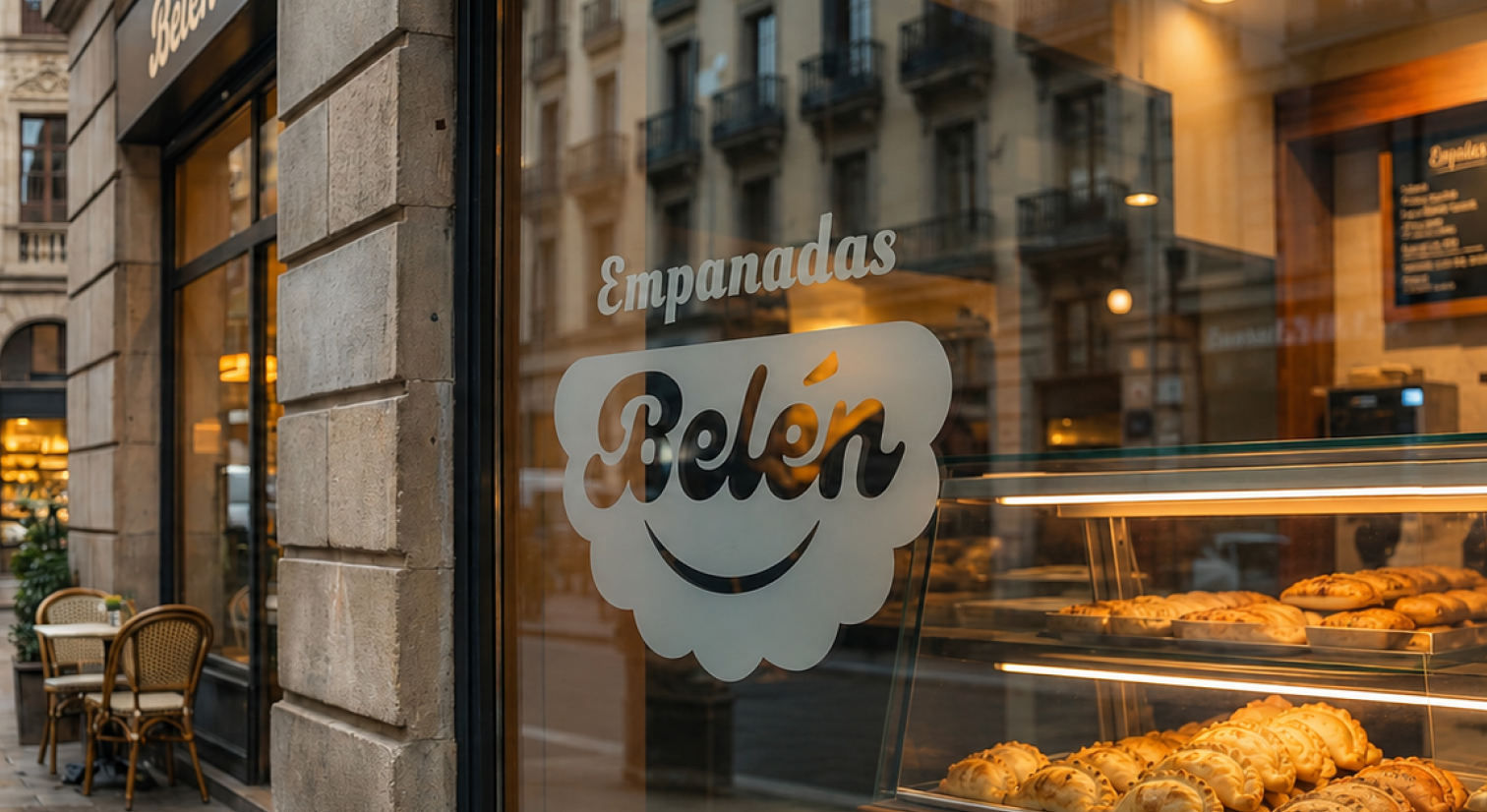
01
We define the visual basis of your business
Before designing a website, we need the brand to have a clear direction. We work on the visual “flavor” of the business: personality, tone, values, references and desired perception.
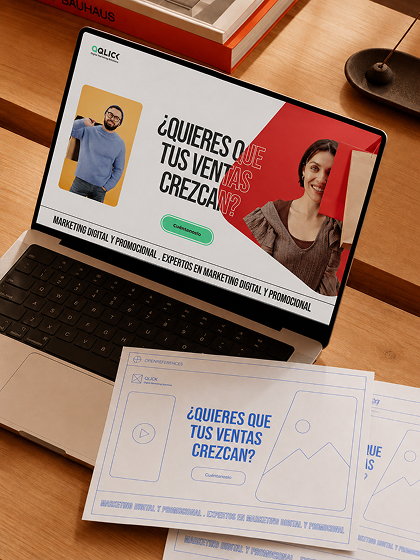
02
We turn the strategy into a clear digital experience
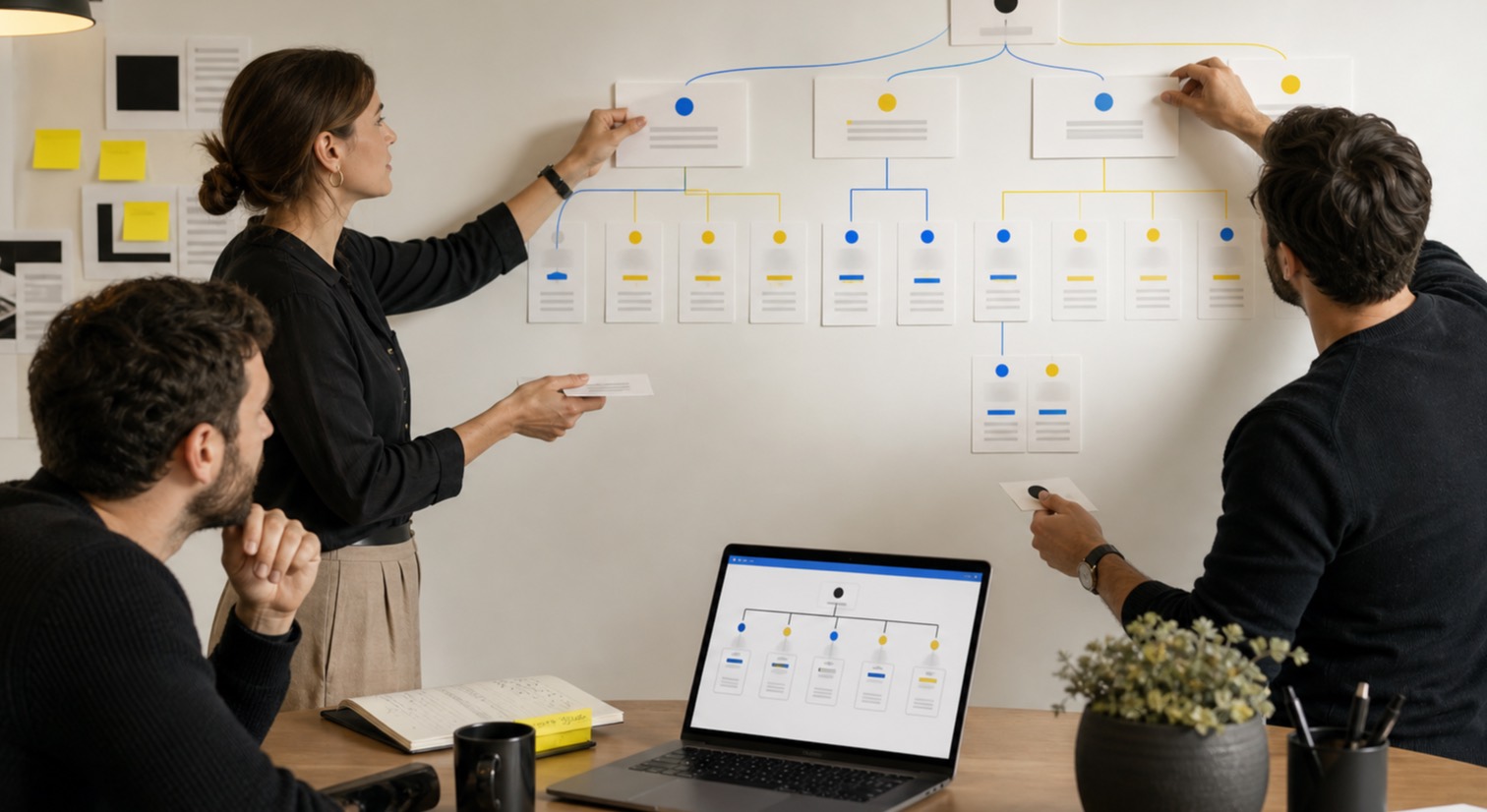
We analyze your business model, ideal client, services, objections and conversion objectives. Then we define the web map and design the high-fidelity screens for mobile and desktop.
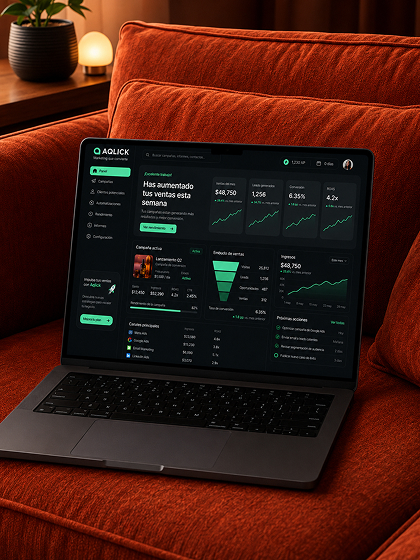
03
We program a solid, fast and maintainable base
We convert the approved design into a website, ecommerce or functional platform. We document interactions, states, forms, integrations, and responsive behaviors before developing.
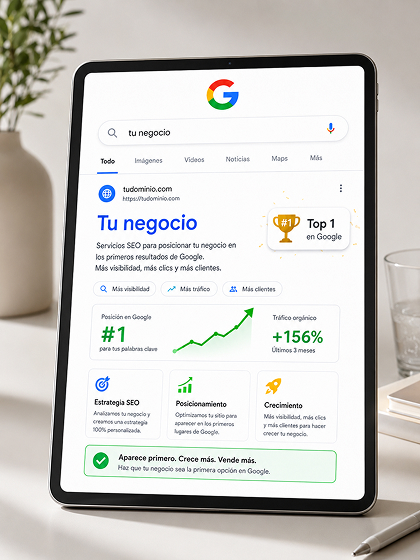
04
We build an architecture prepared to position
We do not design random pages. Each URL responds to a specific search intent to avoid cannibalization and create a structure that Google, users, and AI assistants can understand.
Anti-uncertainty guarantee
We do not charge everything in advance.
We don't leave everything for last
We do not work in a black box
We do not move forward without approval
Cases designed for business
We show how a website organizes an offer, reduces friction and improves business perception.
Time and HR control system
See case01 06

A premium website does not adapt your business to a generic structure. It is designed from your strategy, your services, your ideal client and your conversion objectives.
At Roca Studio we work on architecture, UX/UI, custom development, technical SEO and content so that your website conveys more confidence, loads quickly and converts better from the first contact.
Yes. SEO is not added at the end: it is defined from the architecture of the website.
Before designing, we study search intent, URL structure, title hierarchy, main content, internal linking and technical performance so that Google better understands what you offer and who each page is for.
Yes. The homepage must explain the main brand proposition and position the general service. For local searches, the correct thing to do is to create specific internal landing pages by area or service.
Each local page must have its own content, real focus, close evidence, and clear intent. This way we avoid duplication, cannibalization and a home overloaded with locations.
We work best with medium or high ticket businesses that need to convey trust, differentiate themselves and attract qualified clients.
Dental clinics, restaurants, real estate agencies, law firms, architecture firms, renovation companies, ecommerce, SaaS, and local businesses with the ambition to grow tend to fit especially well.
It depends on the scope, but an entire project is usually divided into strategy, architecture, UX/UI design, development, review, and release phases.
Most premium websites can move in an approximate range of 4 to 8 weeks, as long as the content, feedback and validations advance in an orderly manner.
Yes. We can audit an existing website and detect problems with positioning, speed, structure, message, design, forms and conversion.
Sometimes it is enough to optimize architecture, content and calls to action. Other times it is advisable to redesign from scratch if the technical or strategic base limits growth.
We do both. We design the experience in Figma and then develop the website with a fast, clean and maintainable technical base.
This avoids the common problem of having an attractive design that then builds poorly, loads slowly, or is difficult to scale.
We work with the technology that makes sense for each project. WordPress may be valid in some cases, but we don't use it by default or rely on bloated templates.
If the project requires performance, scalability, integrations, or a more controlled experience, we recommend custom development or a more specific technical architecture.
Yes. The content structure is part of the strategic work.
We define what each section should say, what SEO intention each page has, what objections it should resolve and how to guide the user towards action: call, reservation, quote, purchase or diagnostic request.
We work through clear phases and verifiable deliverables.
Each stage has an objective: strategy, architecture, design, development, review and launch. We do not move forward without validation and each payment is linked to real progress of the project.
Yes, as long as it makes sense for the current state of your website.
We can work on an SEO audit, a conversion improvement, a content restructuring, specific landing pages or a complete redesign. The first session serves to detect which intervention would have the most impact.
After the launch you can continue with SEO improvements, content, CRO, new landings, measurement of results or evolution of the digital product.
The website is prepared to grow, not like a closed piece that is abandoned after publishing it.